Intermodal CEO of the Year / 2026 / Cameroon
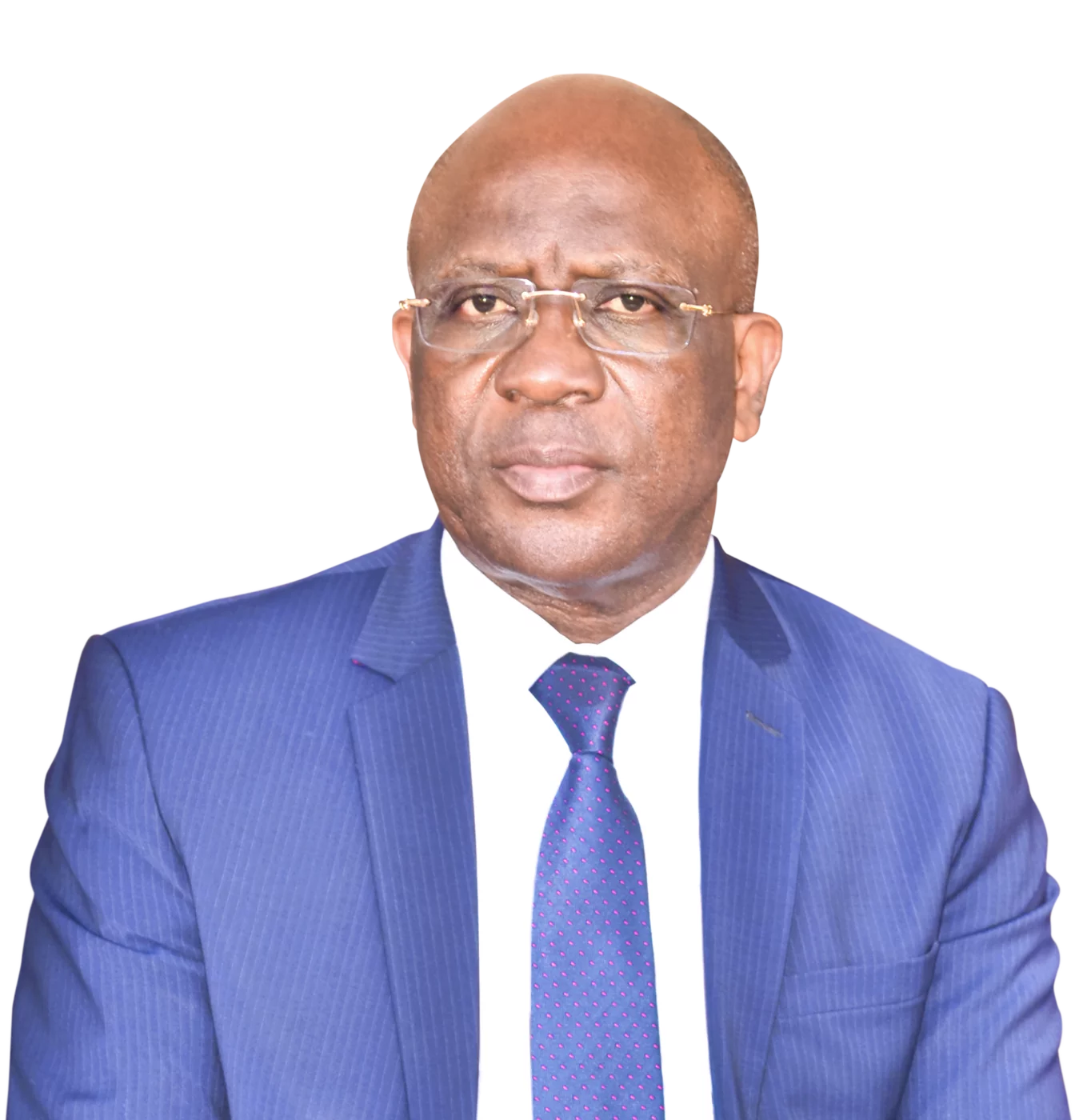
Few infrastructure projects in Central Africa have transformed a nation’s logistics landscape as profoundly as the development of the Port of Kribi. At the centre of this transformation stands Patrice Melom, General Manager of the Port Authority of Kribi, whose leadership has helped shape one of Africa’s most ambitious intermodal logistics platforms.
Recognised as Intermodal CEO of the Year, Melom’s leadership reflects a strategic vision that goes far beyond the construction of a port. Under his stewardship, Kribi has evolved into a multi-layered logistics ecosystem designed to integrate maritime transport, industrial production, and inland logistics corridors. The project represents Cameroon’s most significant effort to reposition itself as a regional trade hub serving Central Africa.
The Port of Kribi, located along Cameroon’s Atlantic coastline approximately 150 kilometres south of Douala, was conceived as the country’s first deep-water port capable of accommodating the world’s largest container vessels. Unlike older ports limited by shallow draft and congestion, Kribi was designed from the outset to handle modern container ships and large bulk carriers, allowing Cameroon to capture new maritime trade routes.
Since the port began operations in 2018, Patrice Melom has led an aggressive program to develop Kribi not only as a maritime terminal but as the anchor of an integrated logistics corridor. The strategy focuses on intermodal connectivity, linking sea transport with road, rail, and industrial infrastructure.
Central to this vision is the development of Kribi’s industrial and logistics zones, including the Kribi Industrial Port Zone. These areas are designed to host large-scale manufacturing, mineral processing, and export-oriented industries that rely on efficient port connectivity. By situating industry directly adjacent to the port, Melom’s strategy reduces logistics costs while attracting foreign investment into Cameroon’s industrial sector.
One of the most visible examples of this model is the growth of mineral export logistics through Kribi. The port serves as a gateway for major mining projects across Cameroon and neighbouring countries, including iron ore developments in the country’s eastern regions. Bulk terminals and dedicated mineral export facilities have become a central component of the intermodal network being built around the port.
Under Melom’s leadership, Kribi has also expanded its container handling capabilities through the operations of Kribi Conteneurs Terminal, the concessionaire responsible for managing container traffic at the port. The facility is capable of handling large container ships and has significantly increased Cameroon’s maritime throughput capacity.
The long-term vision for Kribi includes expanded rail connectivity linking the port to inland industrial zones and resource-rich regions. When completed, these rail corridors will enable efficient movement of minerals, agricultural products, and manufactured goods from inland production centres to international markets through the deep-sea port.
Patrice Melom’s leadership has also emphasized international partnerships and investment attraction. The port has secured major infrastructure and logistics collaborations with global maritime operators, engineering firms, and industrial investors, reinforcing Kribi’s role as a strategic maritime gateway in the Gulf of Guinea.
Professionally trained as a civil engineer and infrastructure specialist, Melom brings both technical expertise and strategic policy insight to the role. Before leading the Port Authority of Kribi, he served in senior positions within Cameroon’s infrastructure development ecosystem, where he gained extensive experience in large-scale public projects and port development planning.
His tenure at Kribi has been marked by steady progress in expanding the port’s capacity, attracting industrial investors, and strengthening Cameroon’s maritime competitiveness. Cargo volumes have continued to grow as new terminals come online and international shipping lines incorporate Kribi into their regional routes.
Today, the Port of Kribi represents one of Africa’s most promising integrated logistics platforms, combining deep-water maritime access with industrial development and multimodal transport networks. The project reflects a broader vision of economic transformation, where ports serve not merely as cargo gateways but as engines of industrial growth.
Through his strategic leadership and commitment to long-term infrastructure development, Patrice Melom has positioned Kribi as a cornerstone of Cameroon’s logistics future. The recognition of Intermodal CEO of the Year celebrates not only his achievements as a port executive but also his role in shaping a new generation of African port systems built around intermodal connectivity, industrial integration, and regional trade leadership.